


Alcohol’s Effects on the Body National Institute on Alcohol Abuse and Alcoholism NIAAA
While alcohol still dominates, the competition between nicotine and cannabis shows how habits are evolving across generations. Choosing not to drink, or to drink less, doesn’t mean you’re missing out. In fact, it can help you be more present in the moment, more intentional in your conversations, and more energised the next day. If you’re unsure where to start, many pubs and bars now have alcohol-free menus. If your plans involve heading out right after work, take time to eat something first. Even a small meal or snack can help slow alcohol absorption and reduce its impact.
User Experience and Insights
Scientists are finding some interesting foods that may help too, like asparagus. Research has found that extracts of asparagus leaves and shoots contain amino acids and minerals that may help liver cells better metabolize alcohol and reduce inflammation. Those components may also provide liver-protective effects, which could help beer after work your body recover faster, the research suggests — but no studies have yet been done in humans. Depending on your tolerance and body’s dependence, medical support may be necessary to help you quit.
- Alcohol interferes with the normal sleep cycle, preventing you from reaching the deep, restorative stages of sleep.
- This type of drinking behavior can also produce immediate changes in circulation, heightening the risk of cardiovascular disease in otherwise healthy young adults, as outlined by the American College of Cardiology.
Most Recent in Alcohol
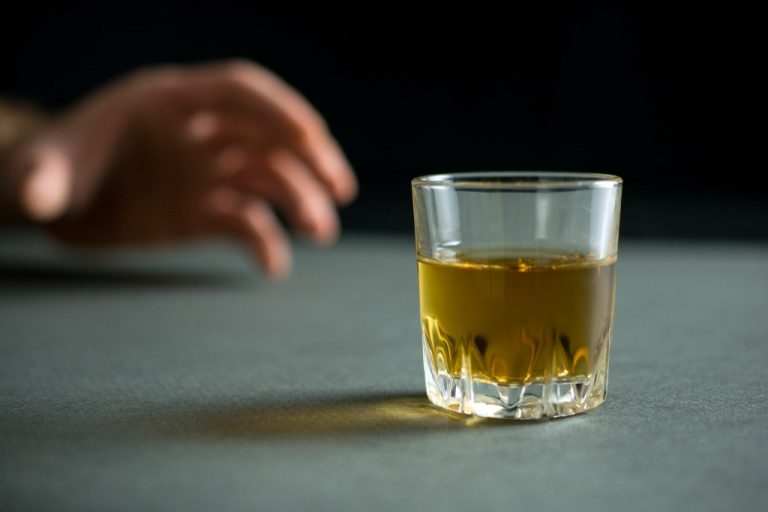
These after-work gatherings often serve as a platform for employees to get to know each other on a more personal level. Stories are shared, laughter fills the air, and relationships are strengthened. It is not uncommon for colleagues to discover shared interests or hobbies during these casual get-togethers, leading to the formation of stronger connections both inside and outside of the workplace. Alcohol can affect behaviors that increase the likelihood of acquiring or transmitting HIV to others. Alcohol may also speed HIV progression in people living with the disease, influence their engagement and retention in HIV treatment, and increase their susceptibility to organ damage and coinfections.
What Triggers the Ritual? Stress Tops the List
Alcohol is a diuretic, which means it moves water and salt out of the body and can cause dehydration. That feeling of desperately needing water to help with a dry mouth after waking up from a night of drinking is due drug addiction to dehydration. In addition to being uncomfortable, dry mouth can lead to inflammation of the mouth and reduced salivary flow, which contributes to tooth decay. The morning after a night of over-imbibing can cause some temporary effects on your brain.
There is no consensus that moderate drinking leads to a healthier heart. For many of us, alcohol is an automatic part of the social events that punctuate our lives. Booze is a staple at Friday happy hours or boozy brunches or toasts to mark big milestones like graduations or weddings or promotions. And we may not give it a second thought because we’ve heard over and over again that it’s fine to drink in moderation. Instead of relying solely on after-work drinks, consider exploring alternative ways to unwind and socialize with colleagues.

From THC-infused beverages to nicotine pouches and non-alcoholic alternatives, today’s habits reflect a broader redefinition of what it means to unwind. Others turned to substances to help them fall asleep (15%) or to mentally separate work from life (10%), showing how the ritual can serve different psychological roles depending on the person. Meanwhile, social rituals came next (26%) as a common reason why they use substances after work. Whether they’re unwinding with a partner or reflecting on their day with a roommate, substance can present a social situation that allows people to comfortably unload and unwind after their day. Notably, one in three respondents cited stressful days as the primary trigger, making it the most common motivator by far. This comes as no surprise when considering how many workers report feeling stressed.
The Quiet Shift in How We Think About Ageing, and Staying Physically Capable
In light of these findings, there’s a call for integrated screening and treatment strategies that address both substance use and mental health, as well as a reduction in stigma to encourage more individuals to seek help. Irrespective of how restricted a working environment is, https://424athletefactory.com/2021/10/13/7-symptoms-of-liver-disease-you-should-know-about the ADA compels enterprise owners to give room for rehabilitation. With that, staffs who suffer alcohol addiction can take back control without losing their job. Also, the Family and Medical Leave Act protects employees who take extended leave for alcoholic rehabilitation.
Physical Health Implications of Frequent After-work Drinking
Contact us to learn more about alcohol addiction treatment programs that can work well for your needs in recovery. Alcohol addiction can be difficult and potentially dangerous to detox from on your own. Severe alcohol withdrawal can be deadly, so heavy alcohol users should not attempt to wean off alcohol without the help of a professional medical detox facility.
Understanding the ROI of leave management solutions
As stated before alcohol consumption can have effects on your body short- and long-term, especially when consumed regularly and frequently. After all, drinking is woven into the fabric of professional and social life, from client meetings to team celebrations to weekend gatherings. Usually, there is no dramatic moment that signals a problem; instead, there’s often a gradual dependence that forms so subtly you might not notice until it’s firmly established. Drug Rehab USA is a national resource for substance use treatment, education, and recovery support.


