


When Quitting Alcohol Turns Risky: Understanding The Dangers
You are also more at risk for the condition if you have been drinking a lot over the course of several months, or have been an alcoholic for more than ten years. One of the earliest signs of alcohol withdrawal is increased anxiety or restlessness. Many people feel on edge, irritable, or unable to relax within hours after their last drink. This anxiety can escalate quickly and is often accompanied by racing thoughts or panic-like symptoms. Drug withdrawal happens because repeated substance use changes how the brain and body function over time.
Withdrawal Timeline Comparison Table
Unlike some substances where cold turkey cessation, while uncomfortable, remains relatively safe, quitting benzos cold turkey can trigger seizures and other potentially fatal complications. Consequently, professional benzo detox protocols have become the gold standard for safe withdrawal management. Alcohol withdrawal occurs when someone who has been drinking heavily or regularly reduces or stops alcohol use. While some symptoms may feel mild at first, alcohol withdrawal can quickly become serious and even life-threatening.
Alcohol Withdrawal Symptoms and Memory Changes
In many cases, improvement is possible with time, hydration, nutrition, quality sleep, and sustained sobriety. If you are wondering, “why do I black out when I drink,” the most common reasons involve drinking speed and alcohol concentration. Most importantly, it outlines when memory symptoms signal a need for medical support. Making the decision to quit alcohol is courageous and represents the first step toward a healthier life.
Why Alcohol Withdrawal Can Be Especially Dangerous
Gabapentin and topiramate, while not officially approved for this use, can serve as second-line treatments for AUD. Our Residential Program provides a structured, supportive environment where patients can focus on their recovery. With individual, group, and gender-specific counseling, as well as chemical dependence education and relapse prevention classes, we help patients build the skills they need to maintain sobriety. However, they must be used under strict medical supervision to avoid dependency. At The Springboard Center, our medical team carefully monitors benzodiazepine use to ensure patient safety.
Finally, going to alcohol detox is the best way to recover if you are an alcoholic. This type of treatment allows you to get help for your withdrawal symptoms. You may notice that you do not experience many of the symptoms you are used to having.
Relapse Danger: Unmanaged withdrawal increases the likelihood of returning to harmful drinking patterns
Alcohol consumption can lead to a range of adverse effects, but persistent vomiting, inability to keep fluids down, or a high fever after drinking are red flags that should not be ignored. These symptoms often indicate severe dehydration or an alcohol-induced fever, both of which can escalate quickly if left untreated. Dehydration occurs when the body loses more fluids than it takes in, a common consequence of excessive alcohol intake due to its diuretic properties. Meanwhile, a high fever may signal an infection or an inflammatory response triggered by alcohol’s impact on the immune system. Recognizing these signs early is crucial to prevent complications such as kidney damage, seizures, or even life-threatening conditions like alcoholic ketoacidosis.
Benzo Withdrawal Symptoms & Detox Treatment
When you drink all the time, alcohol acts like a constant downer on your brain. While waiting for help, keep the person safe by clearing nearby objects they could hit. People who have been drinking heavily for extended periods face greater risk than those with shorter histories of alcohol use. Previous withdrawal episodes create a phenomenon called kindling, where each withdrawal becomes more does alcohol cause seizures severe than the last.
Untreated, mortality has historically been reported in the 5–25% range; with modern medical care, that risk drops significantly but remains serious. This is why people at moderate or high risk are typically advised to detox in a monitored setting rather than alone. Several Halfway house treatment options and interventions can help a person recover from alcohol dependence.
- In contrast, heavy or dependent drinkers may experience these symptoms within 6–8 hours, with intensity increasing rapidly.
- Tapering benzodiazepines gradually over 7–14 days helps minimize the risk of rebound withdrawal or dependence.
- These symptoms signal potential progression to severe withdrawal, which can deteriorate within hours.
- Understanding the treatment and prevention strategies is crucial to managing this potentially life-threatening condition.
- For those at risk, medical supervision is not just recommended—it’s imperative.
- People often ask, “how much shots of vodka to black out.” There is no safe or predictable number.
Stopping suddenly forces the brain to adjust quickly to the absence of dopamine spikes. This abrupt change triggers withdrawal symptoms as the nervous system reacts to missing stimulation. Addiction rewires brain chemistry by flooding it with dopamine—the “feel good” neurotransmitter. Over time, the brain craves more of the substance to achieve pleasure or avoid discomfort. In a 2019 study, researchers showed that quitting alcohol had a positive effect on most people’s mental well-being. Avoiding alcohol is the best way to treat these conditions and relieve symptoms.
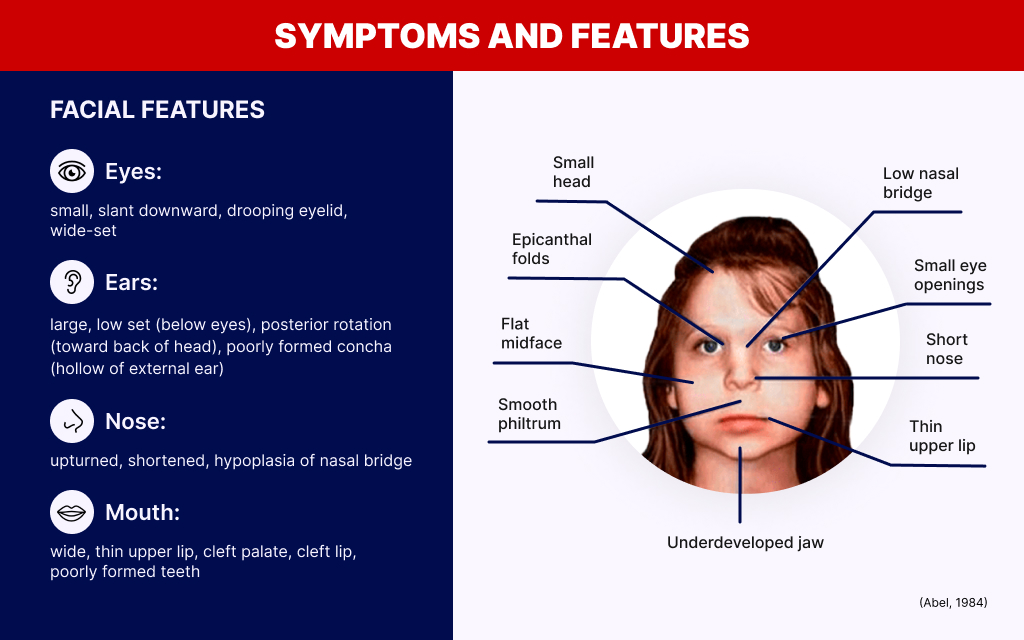
Completely avoiding alcohol and eating a balanced diet can help minimize damage. Your chances for recovery depend on how early the disease is diagnosed and how much damage has already occurred. Fetal alcohol syndrome can occur when a person is exposed to alcohol before birth. https://ecosoberhouse.com/ Up to 46 percent of people with alcohol-related myopathy showed noticeable reductions in strength compared with people without the condition.
The details are kept up to date to help people with addiction treatment needs get the most full and precise facts about the rehabilitation facility. If you’re having a medical or mental health emergency, call 911 or go to your local ER. Medical detox doesn’t mean inpatient treatment is required for everyone. Many people can be safely managed outpatient with appropriate monitoring and medication. This article will help you understand what alcohol withdrawal is, what symptoms to watch for, and when to seek help.


